Chapter VII · The History: Terroir — Sima Xiangru's Fanyang pian lists among drugs wu-hui, jiegeng, yuanhua…
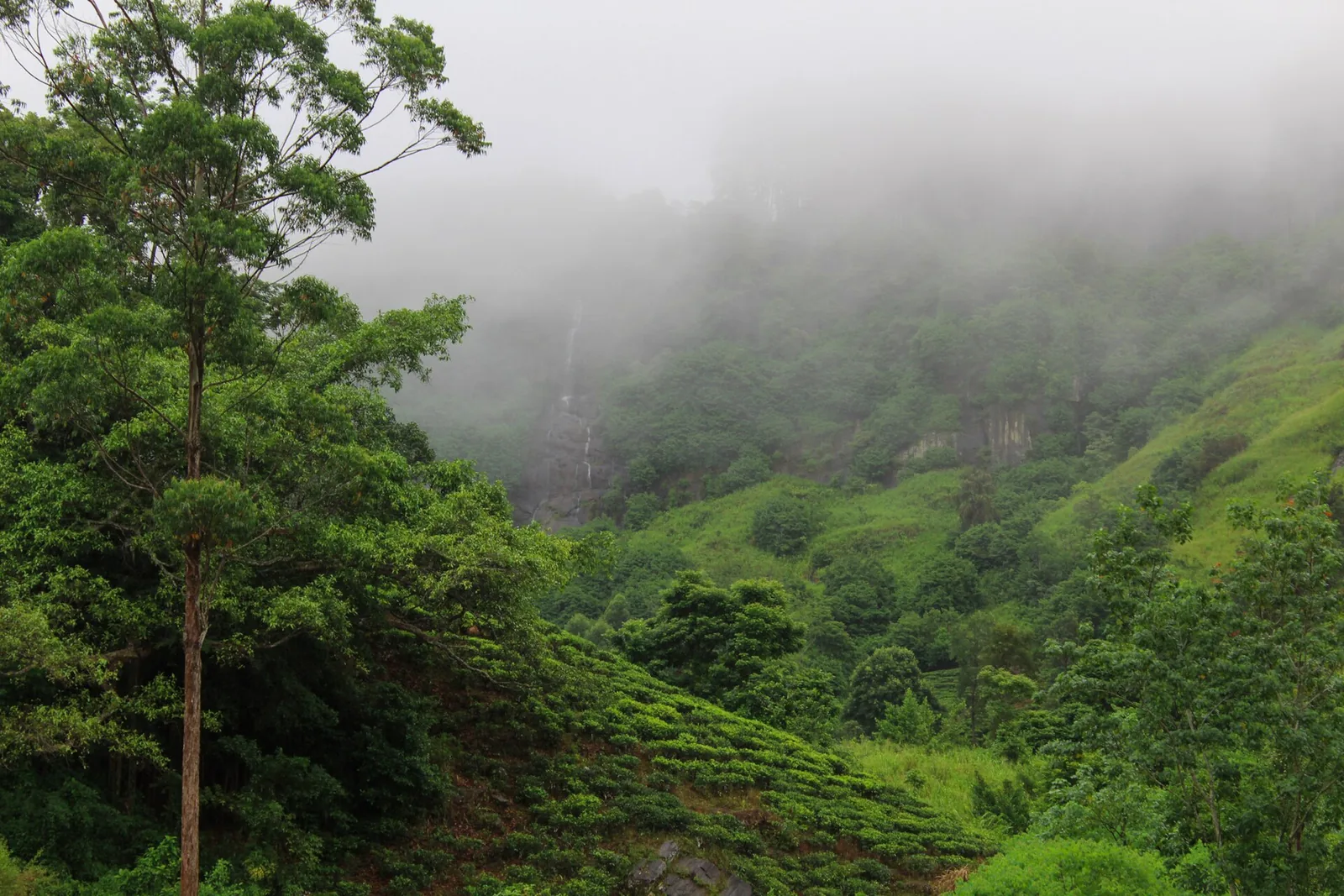
Photo: Wikimedia Commons · CC BY-SA 4.0

The passage
“Sima Xiangru’s Fanyang pian lists among drugs wu-hui, jiegeng, yuanhua, kuandong, beimu, mubo, lou, qincao, shaoyao, gui, loulu, feilian, chuan-cha, bailian, baizhi, changpu, mangxiao, guan, jiao, and zhuyu.”
Terroir
“Sima Xiangru’s Fanyang pian lists among drugs wu-hui, jiegeng, yuanhua…” opens the question of terroir: the same cultivar can taste different on a different slope, soil, altitude, or mist line.
The Classic of Tea ranks soils by drainage and minerality. Modern growers still begin with the same questions: water, roots, shade, and air.
When tasting, ask where the tea grew before asking how famous it is. Terroir is not a marketing word; it is a set of physical conditions.
Reading note
Read the passage once for the image, once for the judgment, and once for the practice it implies.
Practice
- Name one thing the passage asks you to notice.
- Compare it with a tea you know.
- Keep the question open.