Chapter I · The Origin: a close reading of the whole chapter
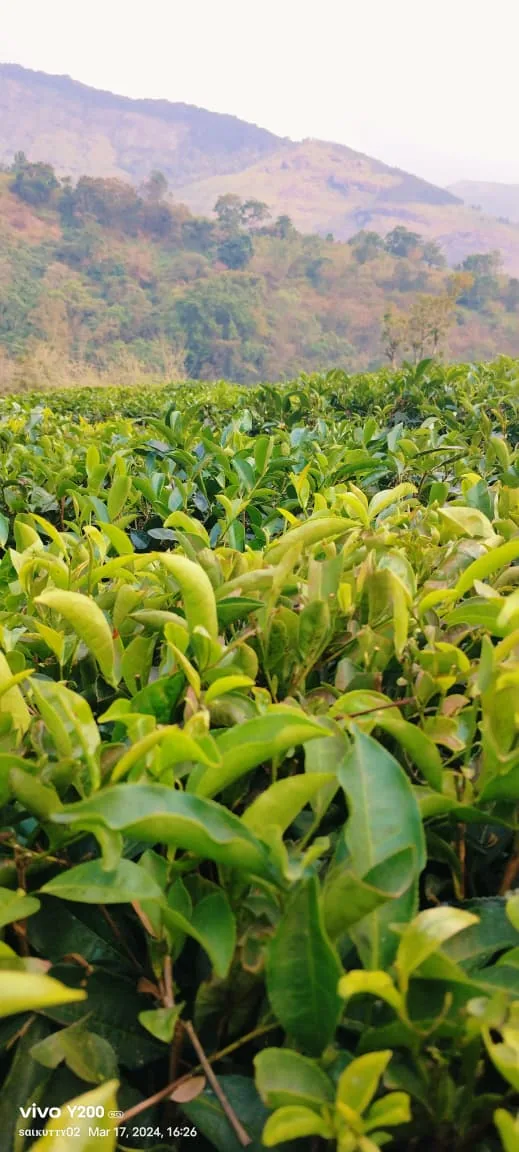
Photo: Wikimedia Commons · CC BY 4.0

Chapter I · The Origin is a chapter about tea, tools, and judgment. Read it as a sequence of practical judgments.
Passage
“Tea is a fine and noble tree of the South. It may stand one or two feet tall, or reach many dozens of feet. In the mountain gorges of Bashan, there are trees so thick that two men can barely encircle them; one must cut the boughs and pick the leaves from below.”
The passage is short. The judgment behind it is not.
Passage
“As for the character, it is sometimes written with the grass radical, sometimes with the tree radical, and sometimes with both.”
The passage is short. The judgment behind it is not.
Passage
“It has five names: cha, jia, she, ming, and chuan.”
The passage is short. The judgment behind it is not.
Passage
“As for the ground: the finest tea grows in shattered rock, the middling in gravelly loam, and the inferior in yellow clay.”
The passage is short. The judgment behind it is not.
Passage
“Those planted without firm rooting rarely flourish. The method is like growing melons: after three years the leaves may be gathered.”
The passage is short. The judgment behind it is not.
Passage
“Wild tea is best; that of the garden is inferior. On sunny cliffs beneath shady woods, the purple buds are best and the green ones inferior; buds like bamboo shoots are best, slender sprouts inferior; leaves that curl are best, leaves that spread open inferior.”
The passage is short. The judgment behind it is not.
Passage
“Its tree resembles the gualu; its leaves the gardenia; its flowers the white rose; its fruit the palm-nut; its stem the clove; its root the walnut.”
The passage is short. The judgment behind it is not.
Passage
“The use of tea: its nature is extremely cold, and as a beverage it is most suited to men of disciplined conduct and frugal virtue.”
The passage is short. The judgment behind it is not.
Passage
“For heat and thirst, congested chest, headache, smarting eyes, restless limbs, or discomfort in all the joints — a few sips of tea rival the finest cream and nectar.”
The passage is short. The judgment behind it is not.
Passage
“Picked out of season, made carelessly, adulterated with wild weeds, drinking it brings illness. The harm of tea, too, is like that of ginseng.”
The passage is short. The judgment behind it is not.
Passage
“The finest ginseng grows in Shangdang, middling in Baekje and Silla, and inferior in Goguryeo. That grown in Zezhou, Yizhou, Youzhou, and Tanzhou is useless as medicine — let alone from lesser places!”
The passage is short. The judgment behind it is not.
Passage
“If one takes qini in place of ginseng, none of the six ailments will be cured. Understand how ginseng may mislead, and the pitfalls of tea become clear.”
The passage is short. The judgment behind it is not.