Chapter VII · The History: Modern tea science — Sima Xiangru's Fanyang pian lists among drugs wu-hui, jiegeng, yuanhua…
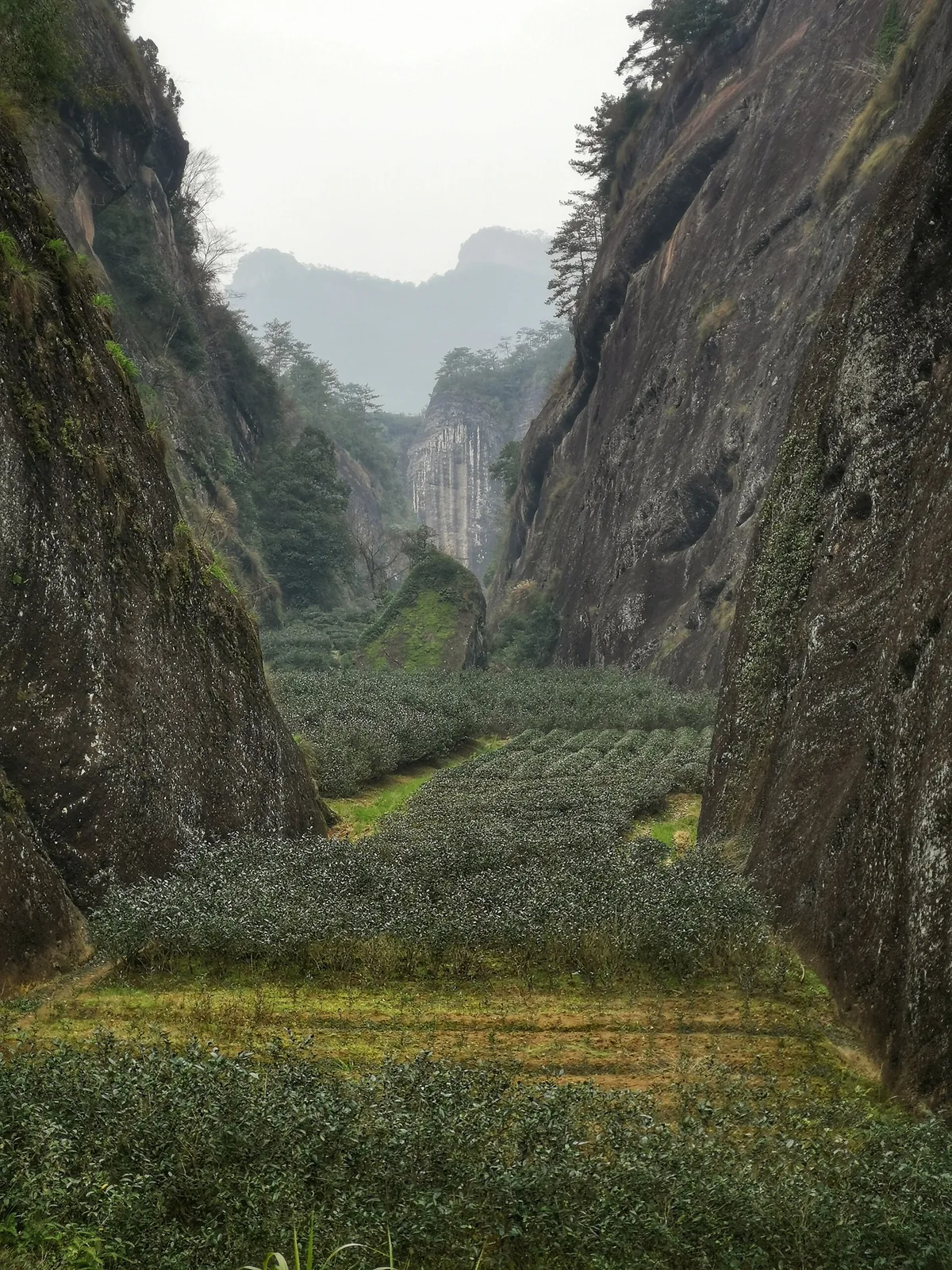
Photo: Wikimedia Commons · CC BY-SA 4.0

The passage
“Sima Xiangru’s Fanyang pian lists among drugs wu-hui, jiegeng, yuanhua, kuandong, beimu, mubo, lou, qincao, shaoyao, gui, loulu, feilian, chuan-cha, bailian, baizhi, changpu, mangxiao, guan, jiao, and zhuyu.”
Modern tea science
A modern tea-science reading of “Sima Xiangru’s Fanyang pian lists among drugs wu-hui, jiegeng, yuanhua…” separates four layers: ecology, cultivar, processing, and brewing.
Soil drainage, light, temperature, and cultivar shape the amino acids, catechins, and aromatics in the leaf. Those compounds then meet water, heat, and time.
Science can explain why an old observation often works, but it does not make the observation universal. Context still matters.
Reading note
Read the passage once for the image, once for the judgment, and once for the practice it implies.
Practice
- Name one thing the passage asks you to notice.
- Compare it with a tea you know.
- Keep the question open.