Chapter II · The Implements: Commentary — The gui mold, also called mo or quan, is made…
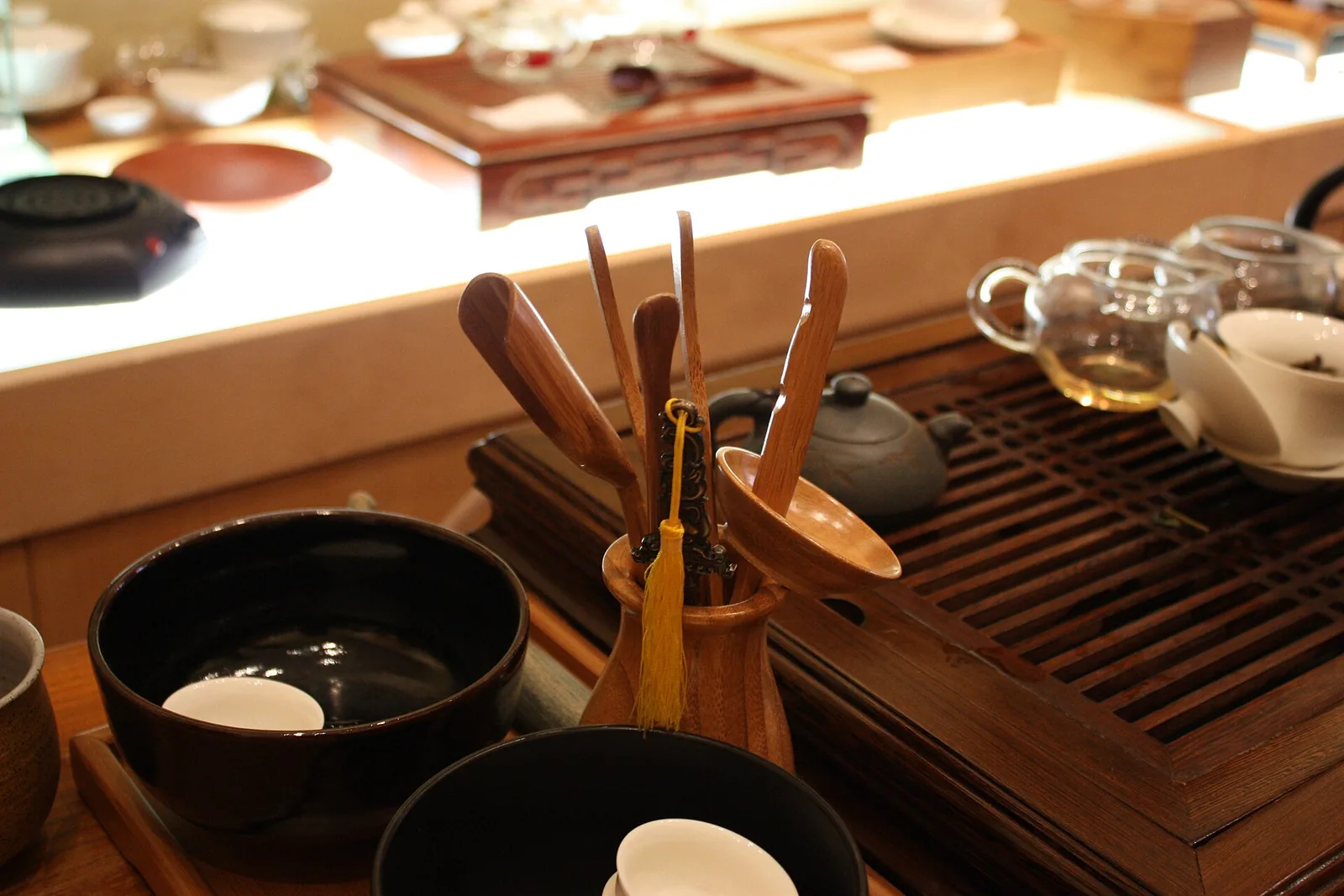
Photo: Wikimedia Commons · CC BY 2.0

The passage
“The gui mold, also called mo or quan, is made of iron, in round, square, or floral shapes.”
Commentary
Later commentators returned to “The gui mold, also called mo or quan, is made…” because it joins a practical observation to a larger claim about tea.
Their readings differ by era and concern: some look for agricultural advice, some for evidence of tea history, and some for a philosophy of living.
The value of commentary is not a single answer. It is a set of lenses for asking better questions of the text.
Reading note
Read the passage once for the image, once for the judgment, and once for the practice it implies.
Practice
- Name one thing the passage asks you to notice.
- Compare it with a tea you know.
- Keep the question open.