Chapter V · The Brewing: a close reading of the whole chapter
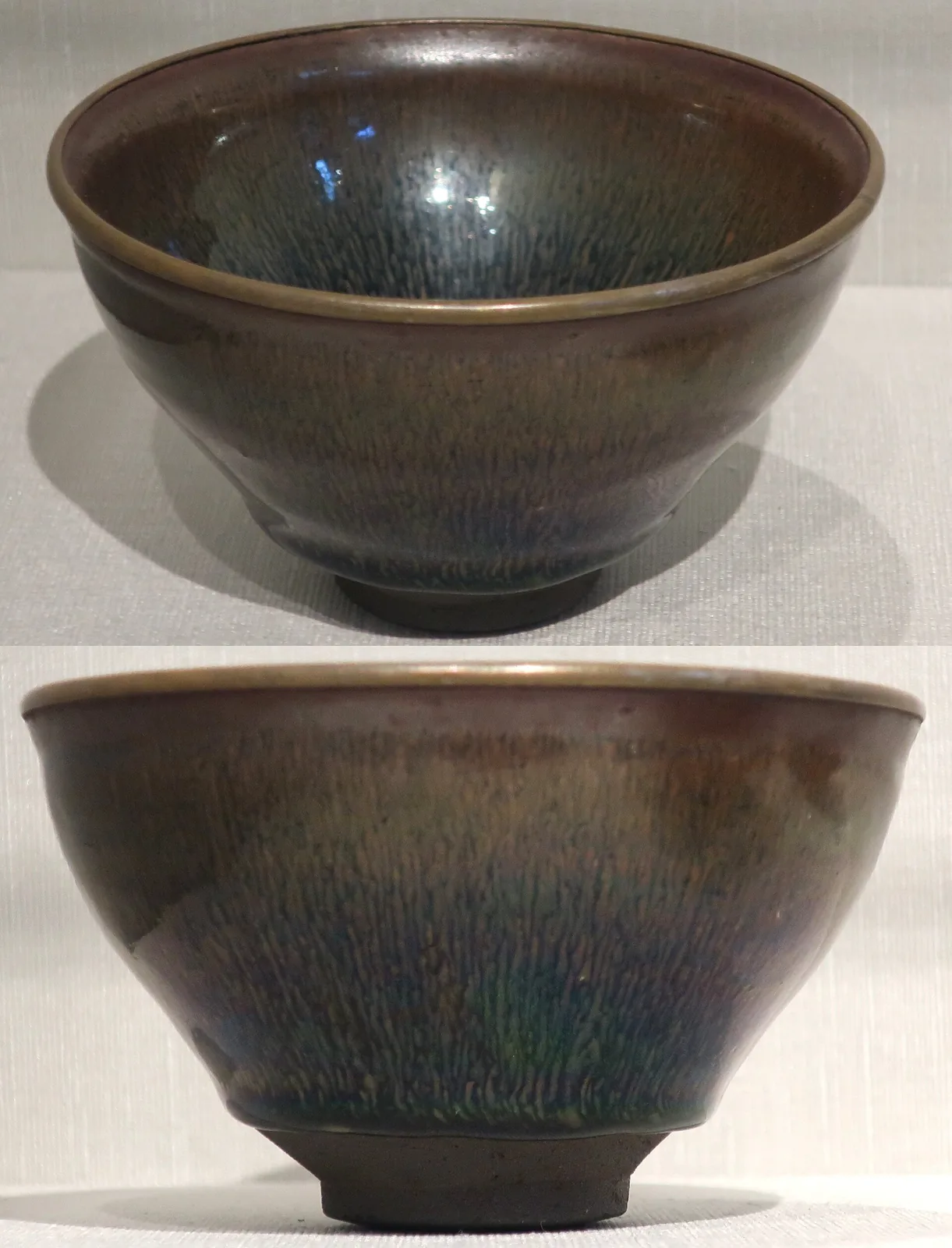
Photo: Wikimedia Commons · CC0

Chapter V · The Brewing is a chapter about tea, tools, and judgment. Read it as a sequence of practical judgments.
Passage
“For water: mountain spring is best, river water next, and well water lowest.”
The passage is short. The judgment behind it is not.
Passage
“When the water first boils — with bubbles like fish eyes and a faint sound — that is the first boil. When bubbles rise along the rim like a linked string of spring pearls, that is the second boil. When it surges and rolls like waves, that is the third boil.”
The passage is short. The judgment behind it is not.
Passage
“Beyond this, the water is old and cannot be drunk.”
The passage is short. The judgment behind it is not.
Passage
“Ladle it with a gourd dipper into the bowls. The finest essence — from one sheng of boiling water, it is divided among five bowls.”
The passage is short. The judgment behind it is not.
Passage
“When roasting the tea, beware of roasting over a windy ash-fire, where leaping flames make the heat uneven. Hold it near the fire and turn it again and again, until bumps rise like toad-backs, then move it five inches from the fire.”
The passage is short. The judgment behind it is not.
Passage
“The finest powder is fine as rice-grains; the inferior is coarse as water-chestnuts.”
The passage is short. The judgment behind it is not.
Passage
“For each sheng of water, divide it into five bowls and drink while hot, in succession. The heavy and muddy settles below; the essence and fineness floats above.”
The passage is short. The judgment behind it is not.
Passage
“Tea is frugal by nature; it should not be used too lavishly, for overuse dims its flavor.”
The passage is short. The judgment behind it is not.