Chapter III · The Making: Plain reading — Tea takes a thousand forms. To speak roughly: some are…
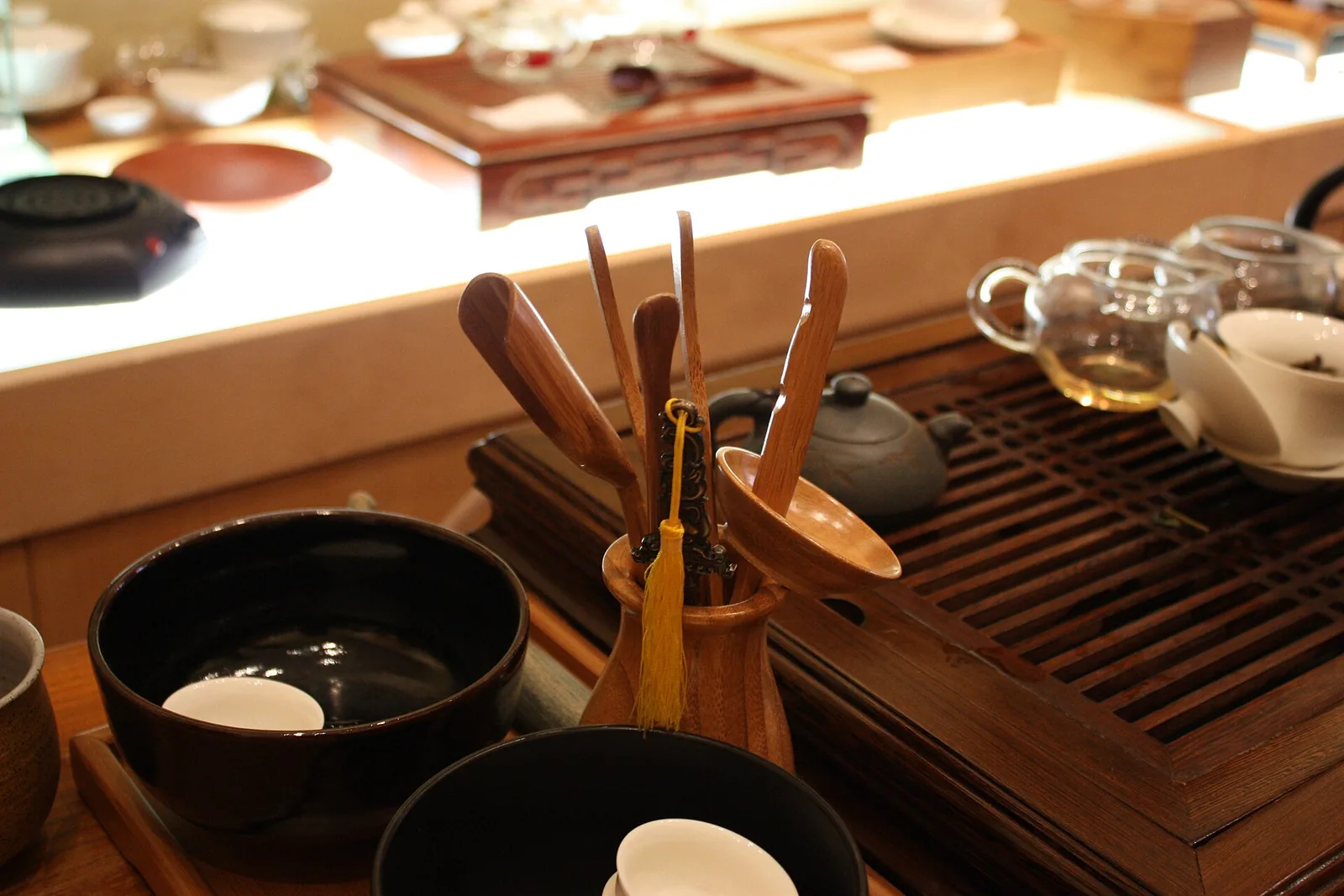
Photo: Wikimedia Commons · CC BY 2.0

The passage
“Tea takes a thousand forms. To speak roughly: some are like barbarian boots, puckered and shriveled; some like the chest of a wild ox, ribbed and draped; some like clouds rising from mountains, coiled and rolling; some like a light breeze over water, rippling and serene.”
Plain reading
In plain English: “Tea takes a thousand forms. To speak roughly: some are like barbarian boots, puckered and shriveled; some like the chest of a wild ox, ribbed and draped; some like clouds rising from mountains, coiled and rolling; some like a light breeze over water, rippling and serene.”
The point is not to turn the passage into a modern slogan. It is to recover the judgment behind it: what counts as good tea, and why.
For a modern reader, the most useful move is to turn the passage into a short checklist for buying, making, or tasting tea.
Reading note
Read the passage once for the image, once for the judgment, and once for the practice it implies.
Practice
- Name one thing the passage asks you to notice.
- Compare it with a tea you know.
- Keep the question open.