Chapter II · The Implements: Taste and body — The gui mold, also called mo or quan, is made…
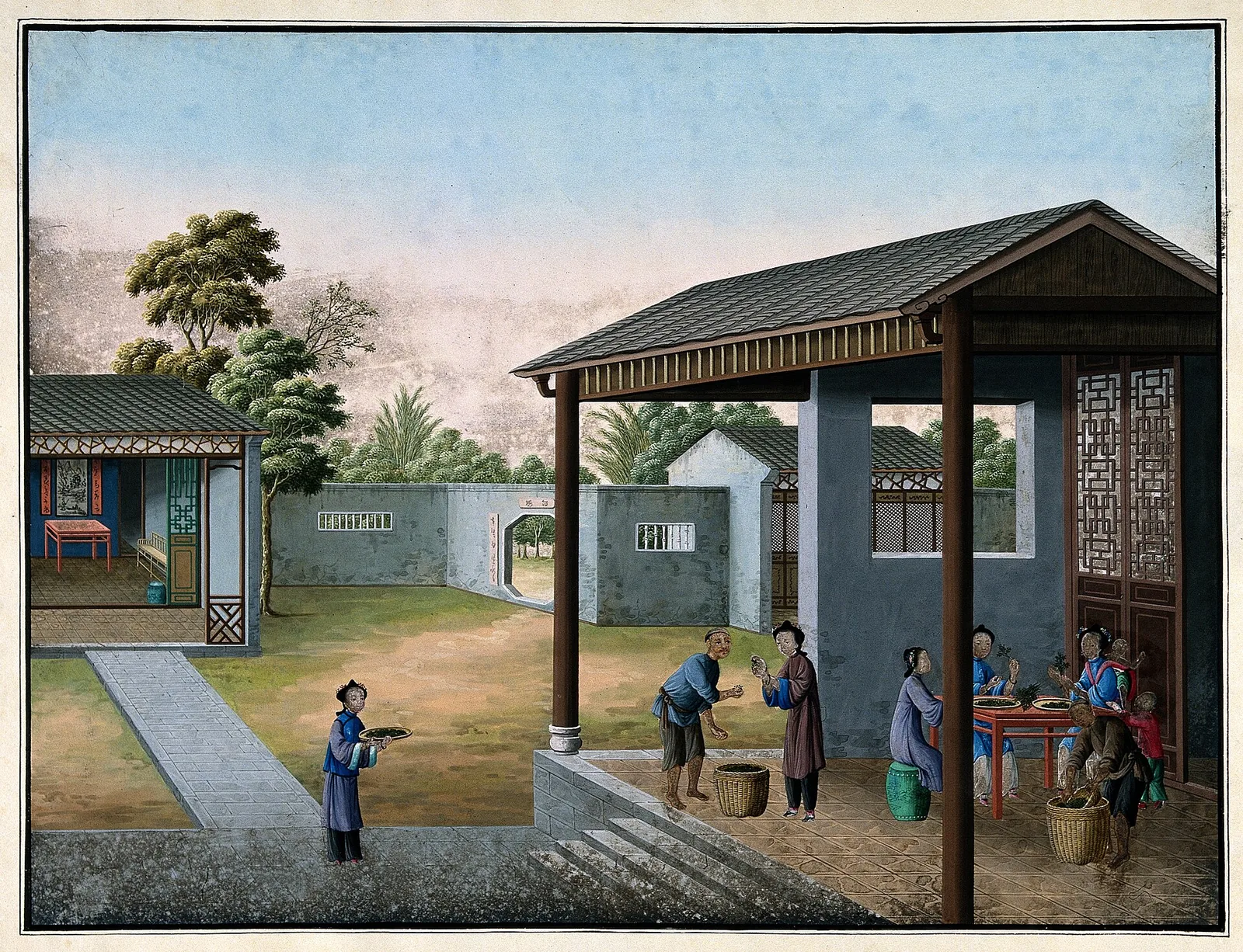
Photo: Wikimedia Commons · CC BY 4.0

The passage
“The gui mold, also called mo or quan, is made of iron, in round, square, or floral shapes.”
Taste and body
The final test of any tea text is the body: warmth, texture, bitterness, sweetness, throat feeling, and whether you feel well afterwards.
The Classic of Tea is unusually practical here. It cares about what tea does to the drinker, not only what it symbolizes.
Taste comparatively: same tea, different water, vessel, temperature, and steep time. The differences teach more than adjectives.
Reading note
Read the passage once for the image, once for the judgment, and once for the practice it implies.
Practice
- Name one thing the passage asks you to notice.
- Compare it with a tea you know.
- Keep the question open.